
The Gut-Brain, Gut-Cardiac, and Gut-Hormone Connections—and Leaky Gut
Written by Dr. Allan Panter, M.D
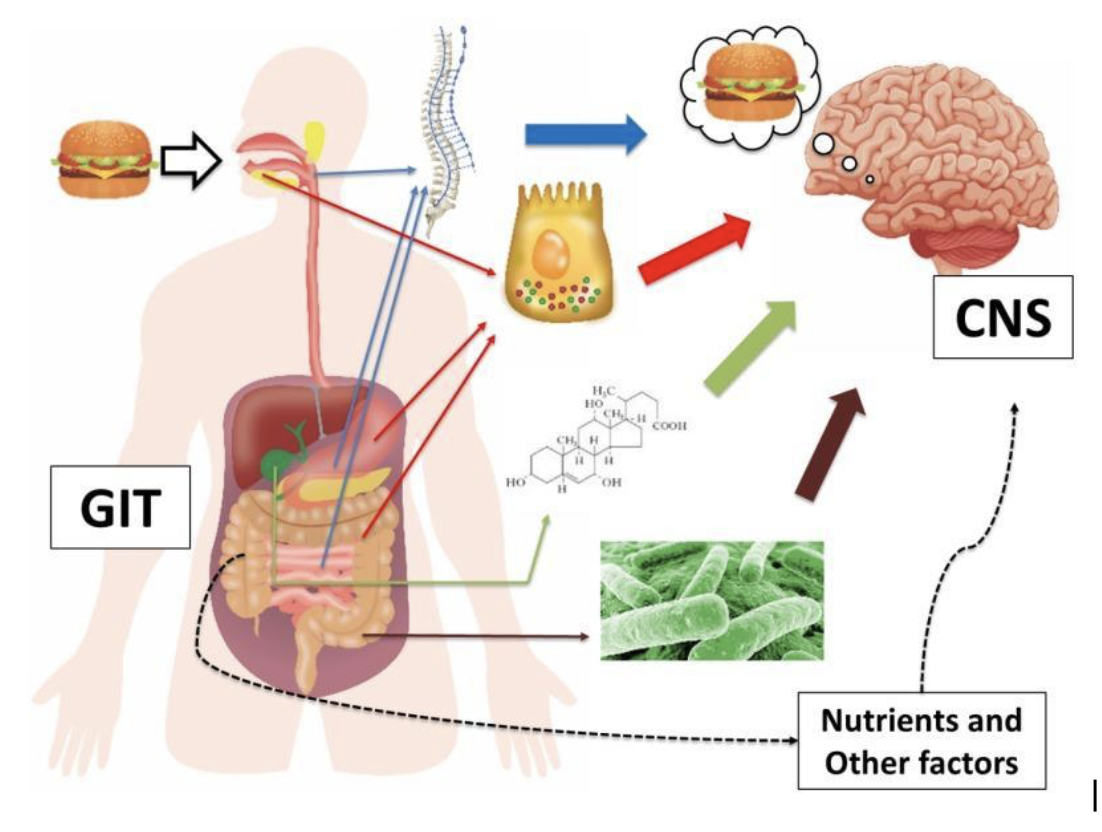
Gut health is more than just a matter of digestion. It plays a crucial role in overall well-being, impacting everything from mood regulation to heart health.
The gastrointestinal system, often referred to as the “second brain,” is intricately connected to other bodily systems, including the brain, heart, and endocrine system.
In this article, we will explore the gut-brain, gut-cardiac, and gut-hormone connections, as well as the concept of leaky gut and how to correct it.
The Gut-Brain Connection
The gut-brain connection, often referred to as the “gut-brain axis,” is the link between the gastrointestinal system and the central nervous system.
The gut is home to a vast network of neurons—more than 100 million—known as the enteric nervous system, or ENS. This network is so complex that it is sometimes called the “second brain.”
The gut and brain communicate bidirectionally through the vagus nerve, hormones, and neurotransmitters like serotonin, which is predominantly produced in the gut.
This connection explains why digestive issues often coincide with mood disorders like anxiety and depression. For example, when the gut is unhealthy, it can trigger an inflammatory response that impacts the brain, leading to mood swings, stress, and cognitive issues.
The Gut-Cardiac Connection
The gut also plays a significant role in heart health—more so than many realize.
The gut microbiome, which is the community of bacteria living in the intestines, can influence cardiovascular health by regulating blood pressure, cholesterol levels, and even the body’s inflammatory responses.
A balanced microbiome can help maintain healthy blood vessels by controlling levels of short-chain fatty acids, or SCFAs. These are produced when beneficial bacteria ferment fiber in the gut.
SCFAs support the endothelium, or the lining of the blood vessels, helping to prevent damage and inflammation that can lead to cardiovascular diseases like hypertension and atherosclerosis.
However, an imbalance in the gut microbiome, known as dysbiosis, can contribute to the development of heart disease. For instance, certain gut bacteria produce trimethylamine-N-oxide, or TMAO, a compound linked to an increased risk of heart disease.
Therefore, taking care of your gut health may help reduce the risk of cardiovascular problems.
The Gut-Hormone Connection
The gut also plays a vital role in regulating hormones throughout the body, including those involved in hunger, metabolism, and even the stress response.
Gut hormones like ghrelin, leptin, and insulin play key roles in hunger regulation and satiety. For example, ghrelin signals hunger to the brain, while leptin tells us we are full.
An imbalance in gut bacteria can disrupt the production of these hormones, leading to issues like overeating, obesity, and insulin resistance.
The gut also interacts with the hypothalamic-pituitary-adrenal axis, or HPA axis, which is involved in the body’s response to stress. Dysbiosis in the gut has been linked to imbalances in this axis, potentially leading to hormonal disruptions like chronic stress and fatigue.
Leaky Gut: What Is It?
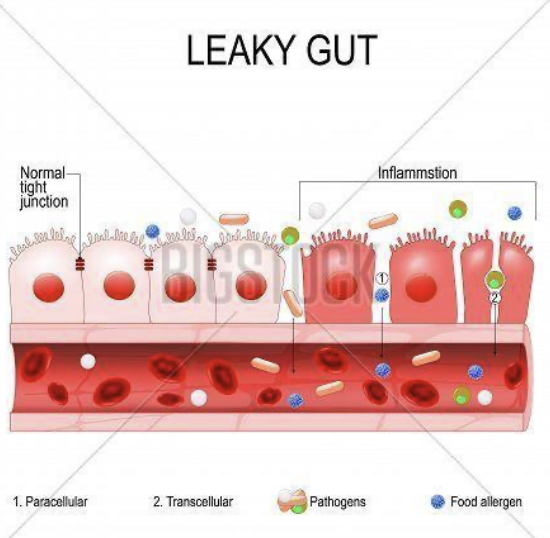
“Leaky gut,” or intestinal permeability, refers to a condition in which the lining of the small intestine becomes damaged and more porous than normal.
The small intestine is lined with epithelial cells that are held together by tight junctions, forming a barrier. When these tight junctions loosen, undigested food particles, toxins, and pathogens can leak into the bloodstream.
This triggers an immune response, causing inflammation throughout the body.
Leaky gut has been linked to several conditions, including autoimmune diseases, food allergies, chronic inflammatory conditions, and even mental health disorders.
Some common causes of leaky gut include:
A poor diet, especially one high in sugar and processed foods
Chronic stress
Antibiotic overuse
Infections
How to Correct Leaky Gut
Correcting leaky gut involves a multifaceted approach to restore gut health, reduce inflammation, and heal the intestinal lining. Here are some strategies to help repair leaky gut:
1. Make Dietary Changes
Remove inflammatory foods. Processed foods, refined sugars, and gluten can exacerbate gut permeability. Testing for food sensitivities is a major benefit. Testing for food sensitivities is available at Direct Physician Services.
Increase anti-inflammatory foods. A diet rich in fiber, healthy fats like omega-3 fatty acids, and antioxidants from fruits and vegetables helps reduce inflammation.
Add gut-healing foods. Bone broth, collagen-rich foods, and fermented foods like sauerkraut, kimchi, and kefir can help repair the gut lining and promote the growth of healthy gut bacteria.
2. Incorporate Probiotics and Prebiotics
Probiotics help restore a healthy balance of gut bacteria. Foods like yogurt and kimchi, as well as probiotic supplements, can introduce beneficial bacteria into the gut.
Prebiotics, found in fiber-rich foods like garlic, onions, and asparagus, nourish good bacteria and help maintain a balanced microbiome.
3. Manage Stress
Chronic stress exacerbates leaky gut by disrupting the gut-brain connection. Practices like yoga, meditation, deep-breathing exercises, and adequate sleep are essential for managing stress and promoting gut healing.
4. Consider Supplements
L-glutamine, an amino acid, can help repair the lining of the gut and reduce permeability.
Zinc is another essential nutrient that helps maintain the integrity of the gut barrier.
5. Avoid Toxins
Limit alcohol consumption, reduce exposure to environmental toxins, and avoid unnecessary medications like antibiotics that can disrupt the microbiome.
Conclusion
Gut health is essential for overall well-being, influencing everything from mood and mental health to heart function and hormonal balance.
The gut-brain, gut-cardiac, and gut-hormone connections highlight the far-reaching impact of gut health. Addressing leaky gut involves dietary changes, probiotics, stress management, and a comprehensive healing strategy.
By understanding and caring for our gut, we can foster better health throughout the entire body.
Take the Next Step Toward Better Health
If you are experiencing concerns related to your gut health, hormones, inflammation, or overall well-being, schedule an appointment with Dr. Panter to discuss your health and the next steps that may be right for you.
📞 Call 770-530-3342 to book your appointment with Dr. Panter.