
Health Starts With You: The Importance of Eating Real Food
This is the first part of a new health series with Dr. Panter. I hope you enjoy it, and I welcome your feedback! If there is a topic you would like me to clarify or discuss in a future article, please let me know.
First, as with nearly everything involving health, it starts with you.
You are in control. You have free will.
Much like our spiritual lives, the concept may be easy to comprehend but difficult to implement…especially when we are striving for virtue, discipline, and better health.
The quick synopsis is this: food, gut health, lifestyle, exercise, and hormones are all connected.
Eat the correct foods, support the gut microbes responsible for digesting those foods, and practice moderation in your lifestyle. When these foundations are in place, you will not have to rely solely on exercise to stay healthy and in shape.
You cannot out-exercise a bad diet. Eventually, it catches up with you. Likewise, a doctor cannot simply “out-pill” a poor lifestyle.
You Are What You Eat
From a physical perspective, one of the first principles of health is recognizing that you truly are what you eat.
What goes into your mouth provides the material your body uses to build and repair itself. If the material you provide is poor, the body must still attempt to construct itself from it.
Put another way: weak material makes for weak construction.
Although genetics certainly play a role in our health, our food, activity, environment, and daily habits influence how our bodies function and how certain genetic tendencies are expressed. Most of the chronic health problems we experience today are connected to diet and lifestyle.
That means our everyday choices matter.
It also means that, in many cases, we have more influence over our health than we realize. However, being in control of your lifestyle does not mean that changing it will always be easy.
Have We Stopped Honoring Our Food?
Food is central to our lives, but I would argue that we no longer honor it in the way we should.
Restaurants and fast-food establishments are on every corner, but is the food, and its preparation, truly being honored? Or has eating simply become a way to quiet our hunger, with very little thought given to quality?
Honoring what you eat requires time and effort.
In the past, food and meal preparation were significant parts of home life. Preparing a meal required work, cooperation, and time spent together. Today, we have frequently traded quality and connection for convenience.
I suggest that food, its preparation, and time around the table should once again become priorities in our lives.
Begin With Real Food
The first step is to eat the most wholesome foods you can reasonably afford.
But what does “wholesome” mean?
Before we can determine what is wholesome, we must first establish what is actually food.
Food should be real. It should be recognizable. Ideally, it should be as close to its natural form as possible—not a collection of heavily processed ingredients masquerading as food.
Begin by looking for foods that are minimally processed. When possible, consider non-GMO and organic options, while recognizing that no labeling system is perfect. Short of growing or raising food yourself—or knowing the person who did—the label is simply one tool available to help guide your choices.
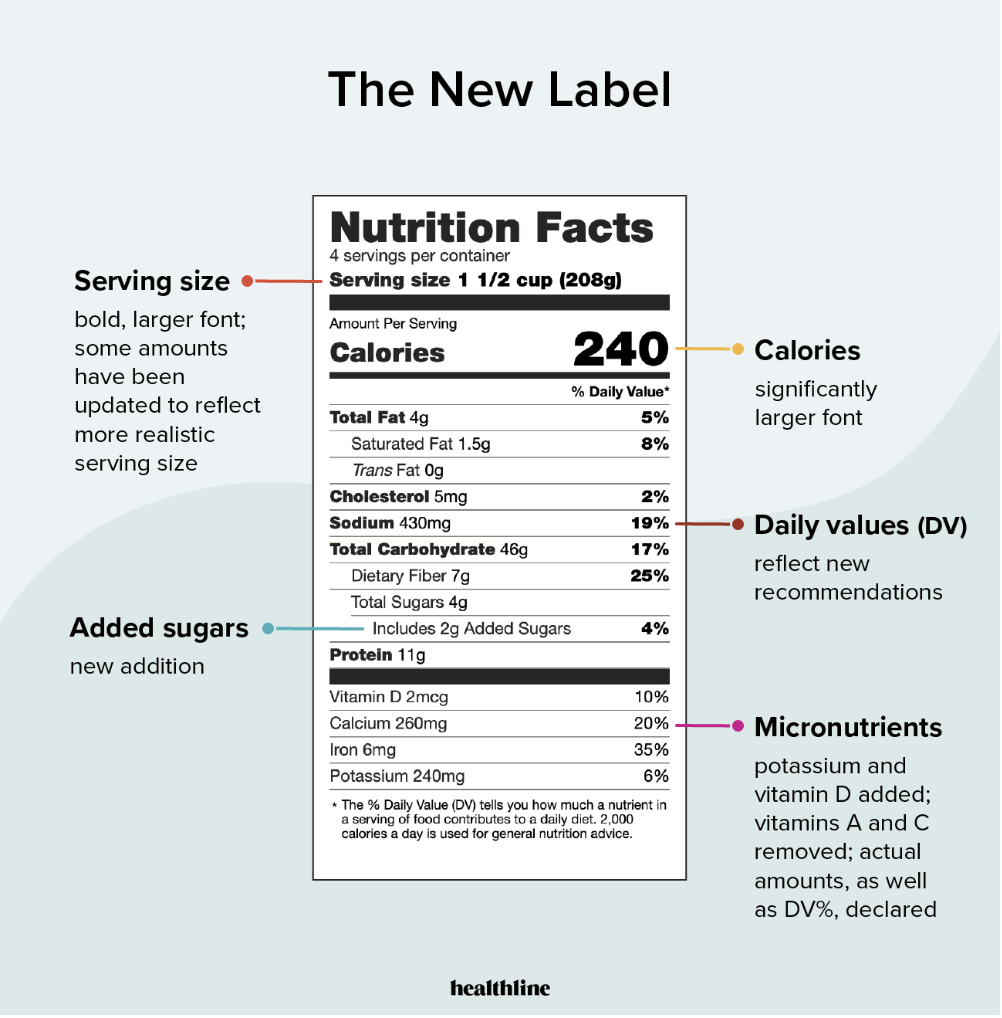
Most importantly, read the ingredient list.
If a product contains a long list of unfamiliar ingredients, reconsider whether it belongs in your shopping cart. Try to select products made with ingredients you recognize and understand.
Look Carefully at the Foods You Buy
Meat and seafood deserve the same attention.
Know where your food comes from whenever possible. Look for responsibly sourced seafood, grass-fed and grass-finished beef, and poultry or pork raised by producers you trust. If you do not personally know the source, read the packaging and ingredient information carefully.
The point is not to achieve perfection. The point is to become an informed consumer.
One example I often use is vanilla ice cream.
Traditional vanilla ice cream can be made with milk, cream, sugar, and vanilla. Today, many options contain corn syrup, gums, colorings, stabilizers, flavorings, and other additives.
Why does such a simple food require so many ingredients?
This is the question I want you to begin asking.
When did we decide that ice cream needed additional coloring? Why use “natural flavor” rather than real vanilla? Why add several stabilizers and gums when the original recipe required only a few ingredients?
Again, read the label.
Not Everything Marketed as Healthy Is Wholesome
Even after carefully screening labels, some products may still be far removed from their original form.
White flour is a good example.
For generations, traditionally prepared bread was a staple of life. Today, many commercial white and “enriched wheat” breads have been stripped of the whole grain and then supplemented with selected nutrients. That is not the same as consuming a food in its complete form.
Whenever possible, choose bread made from the whole grain with a short, understandable list of ingredients. Some people may even choose to grind their own wheat or purchase bread from a local baker who uses traditional methods.
We must learn to look beyond the words printed on the front of the package. “Natural,” “wheat,” and “enriched” do not necessarily mean that a product is wholesome.
Turn the package over and read what is actually in it.
Be Mindful of Sweeteners
Sweeteners are a category of their own.
Many packaged foods contain corn syrup, refined sugars, or artificial sweeteners. Because these ingredients appear in so many everyday products, it is easy to consume far more sweetness than we realize.
Fructose naturally occurs in whole fruit, where it is accompanied by fiber and other nutrients. That is different from consuming concentrated fructose or corn syrup in a processed product or sugary drink.
I recommend choosing whole fruit rather than fruit juice and avoiding soft drinks as much as possible. Cane sugar should be used in moderation. Some people may also choose alternatives such as stevia or monk fruit.
Regardless of the sweetener, moderation still matters.
Choose Cooking Oils Carefully
Cooking oils are another area in which I encourage patients to pay close attention.
Many processed foods and restaurant meals are prepared with refined vegetable and seed oils. These oils are inexpensive, widely available, and present in a significant percentage of packaged foods.
Instead, I generally recommend cooking with oils and fats such as olive oil, avocado oil, coconut oil, or traditionally prepared animal fats when appropriate.
The simplest way to reduce heavily refined oils is to prepare more food at home. This gives you control over both the ingredients and the cooking process.

Dr. Allan Panter
Bring Real Food Back
Yes, eating this way may exclude much of what is sold in the average grocery store—and nearly all conventional fast food.
However, think of all the time you will save walking past the aisles of heavily processed products.
That time can be devoted to preparing fresh, unprocessed food, seasoning it with herbs and spices, and allowing the kitchen to become the center of the home again rather than the den and television.
Eating real food is one of the most important priorities we can establish for our long-term health.
We are currently in a battle over the quality of our food supply, and we participate in that battle every time we make a purchase. Manufacturers pay attention to what consumers buy. If we stop purchasing imitations of food, companies will eventually be forced to respond.
Real food may cost more upfront, but we must also consider the long-term cost of poor health—including doctor visits, medications, hospital bills, and diminished quality of life.
Start where you are. Read the labels. Purchase the best food you can reasonably afford. Cook at home more often. Learn where your food comes from. Gather around the table.
You do not have to change everything overnight. You simply have to begin paying attention.
A few resources that may help guide your shopping include:
EWG Food Scores
Bobby Approved
Yuka
Next time, we will discuss the gut, gut microbes, gut dysbiosis, and what is commonly called “leaky gut.”
Until then, remember: your health starts with you.
This article is intended for general educational purposes and is not a substitute for individualized medical advice, diagnosis, or treatment. Speak with a qualified healthcare professional before making significant changes to your diet or healthcare routine.
Dr. Allan Panter